Protecting native fish in the New England region of NSW
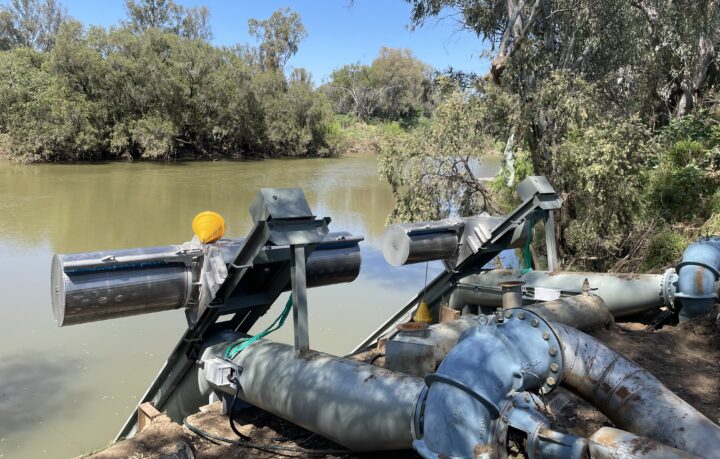
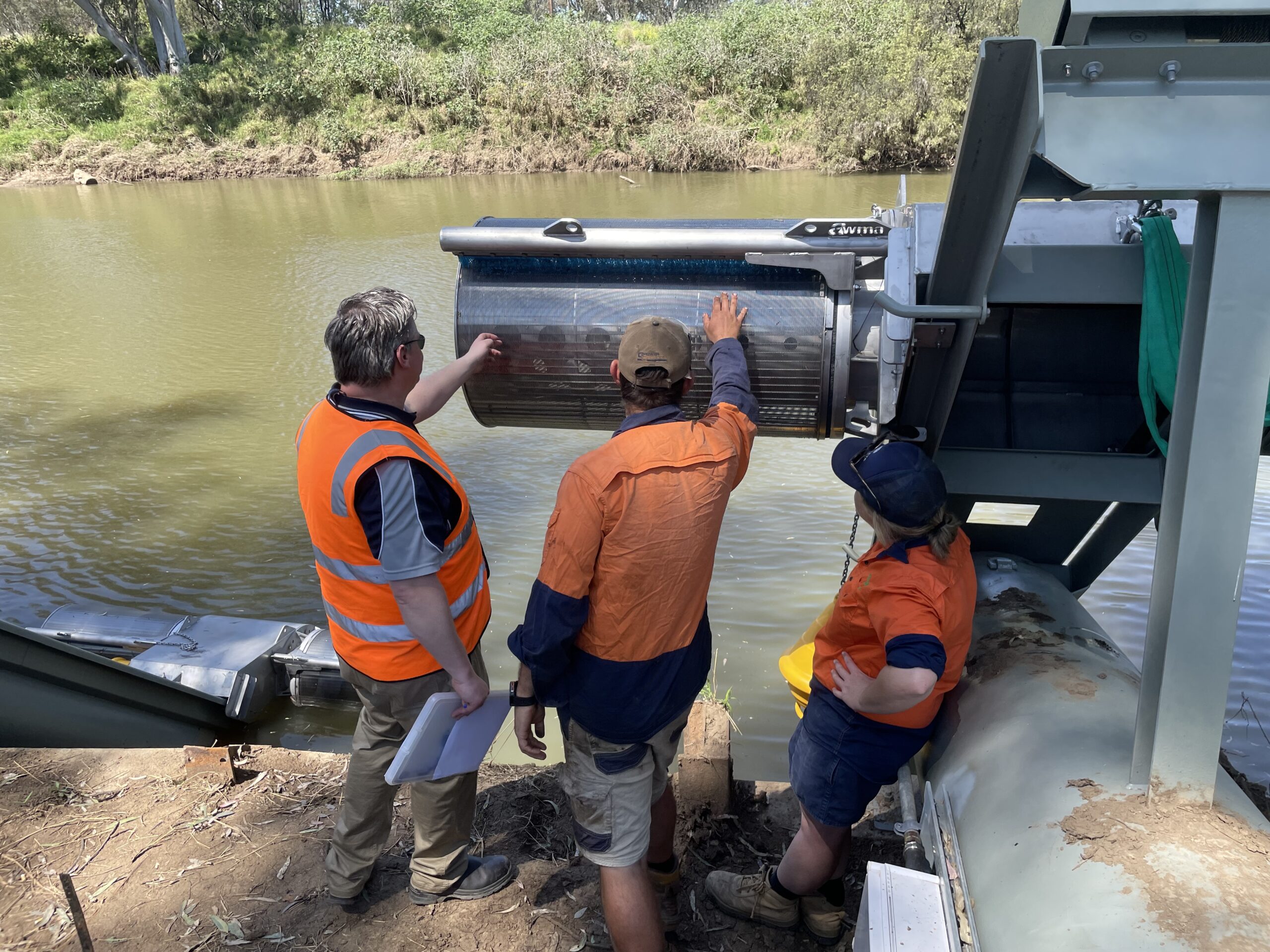
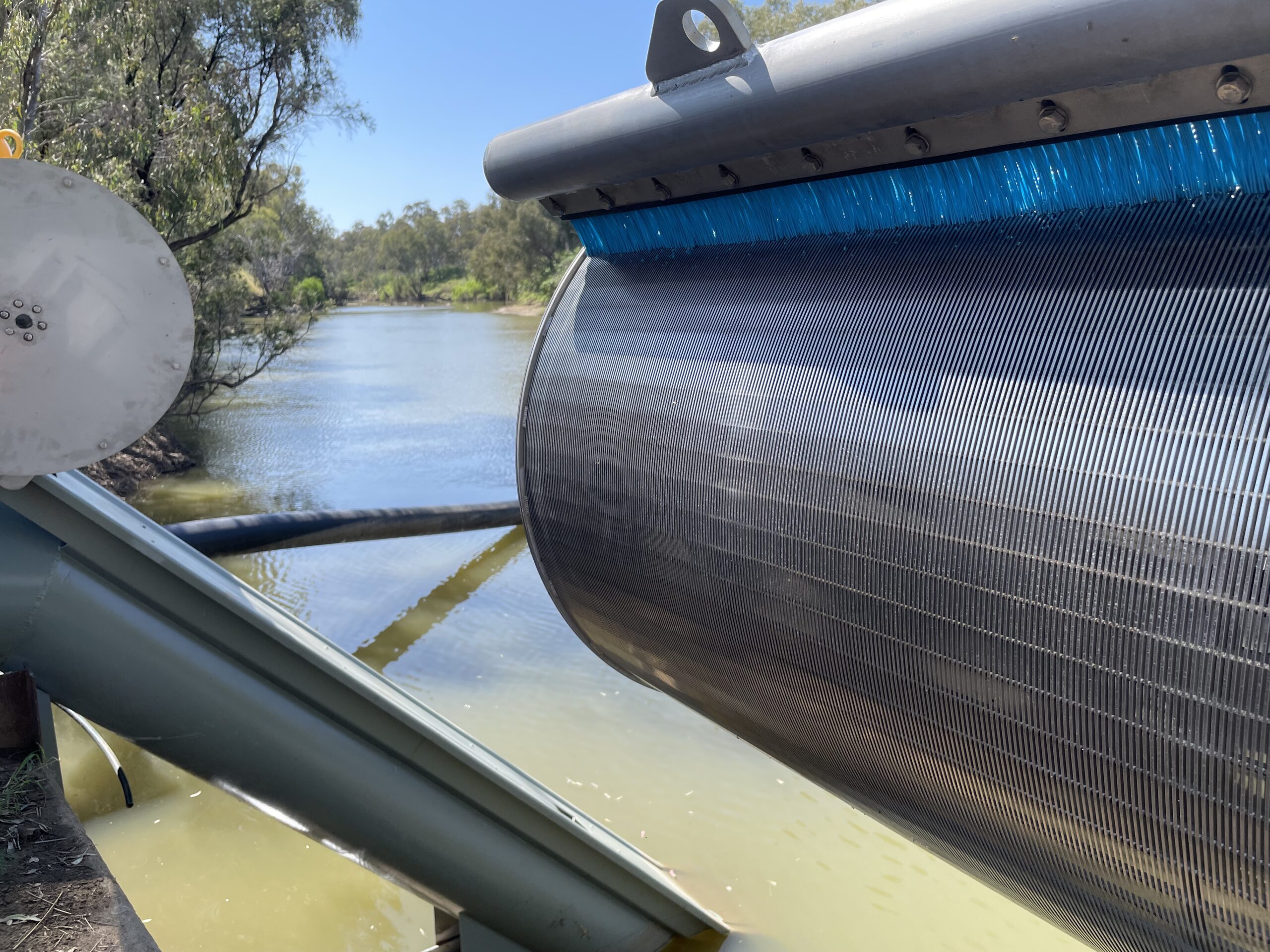
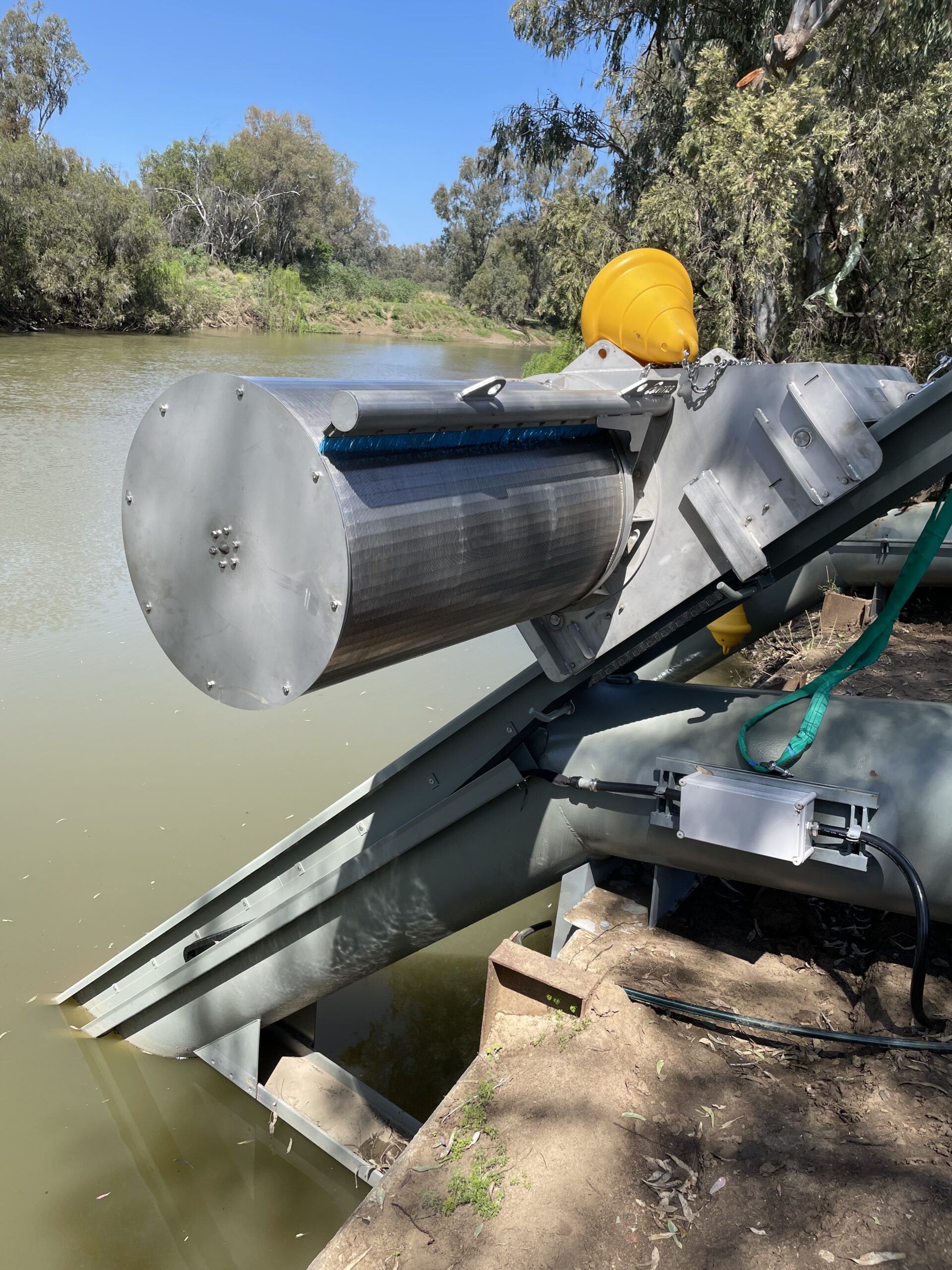
Modern fish-protection screens are in place at the Trawalla Pecan Nut Farm on the Gwydir River upstream of Moree. The screens protect native fish while also effectively keeping sticks and other debris out of farm pumping infrastructure.
Protecting fish in the Gwydir
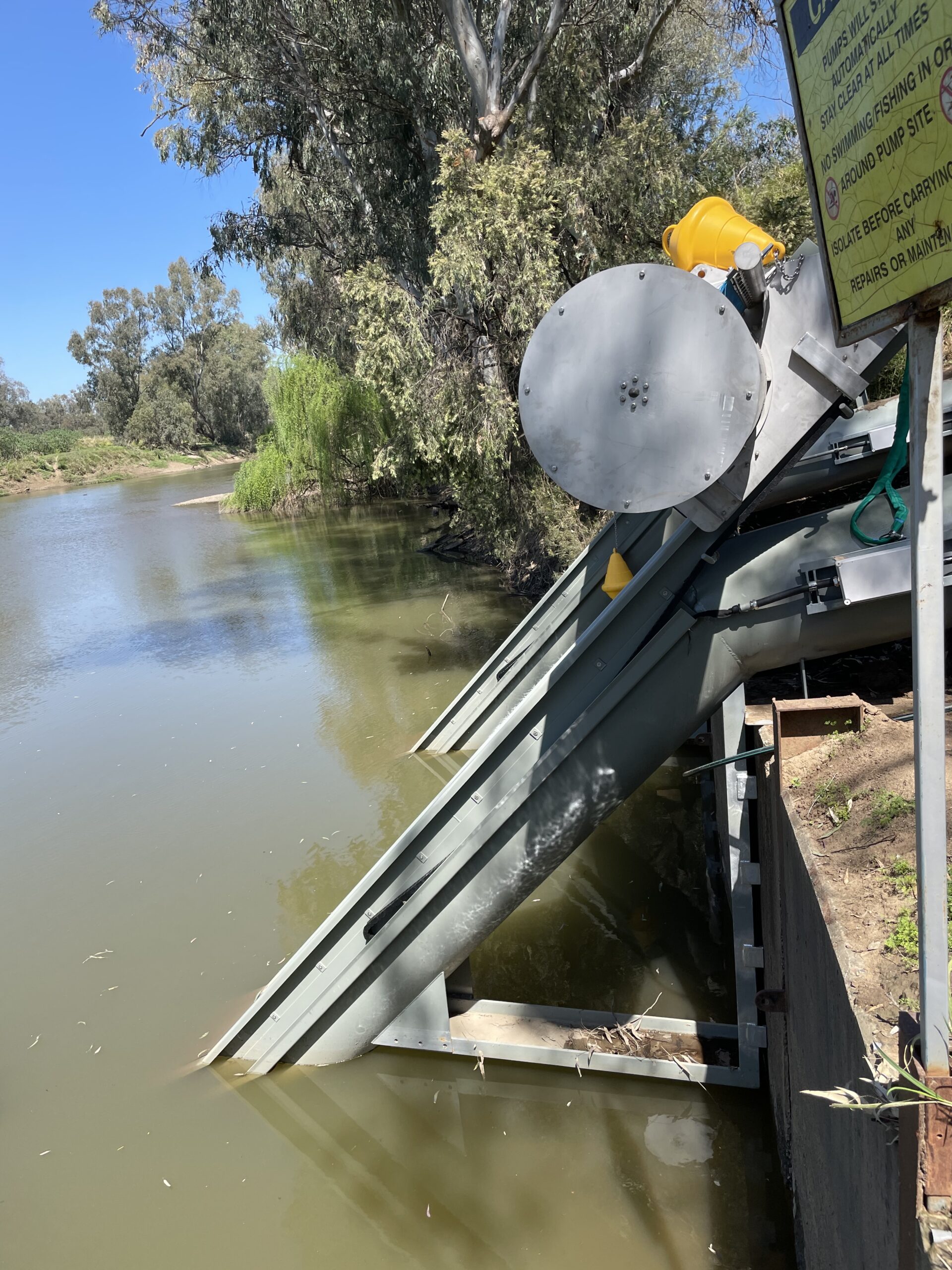
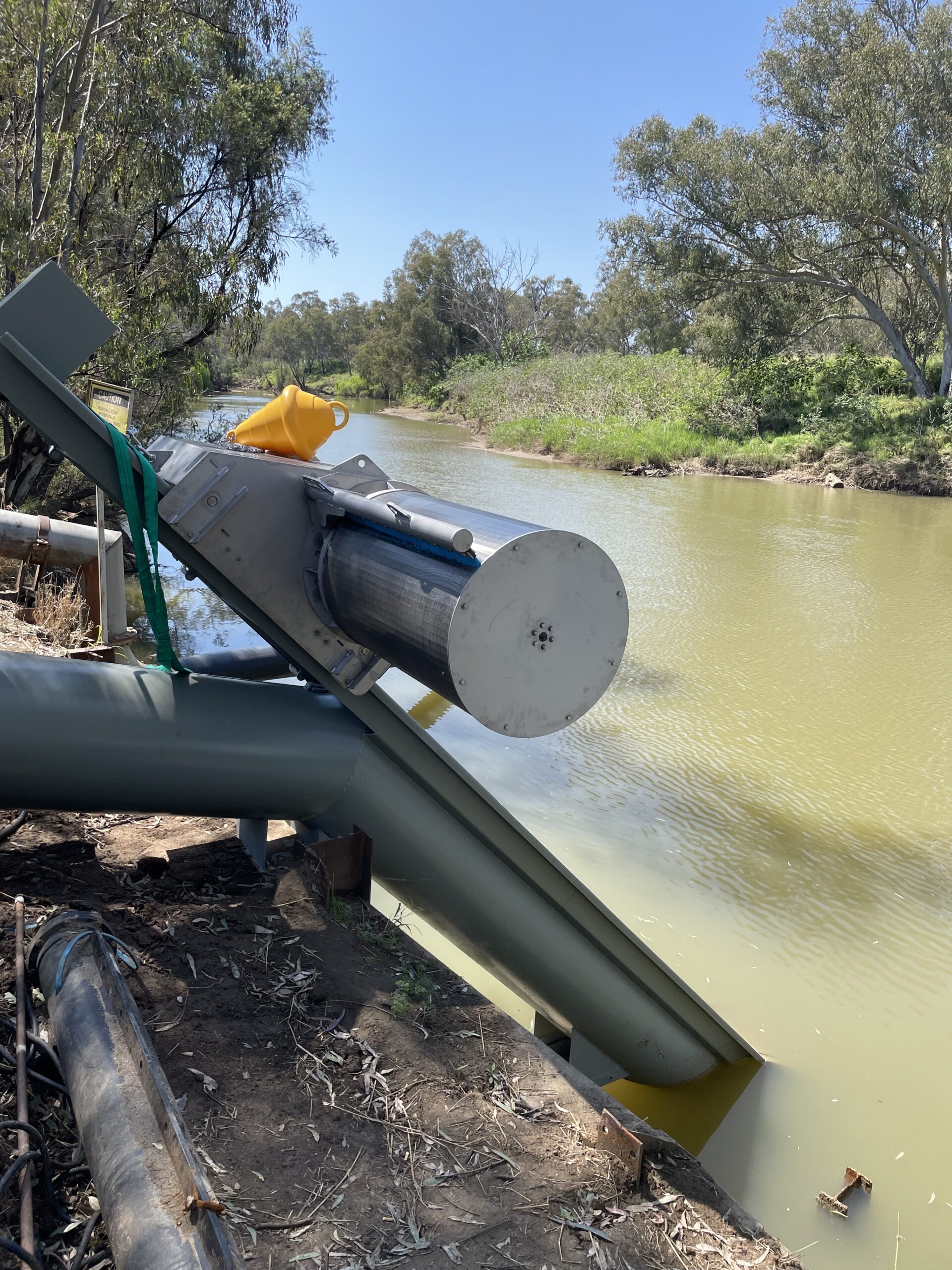
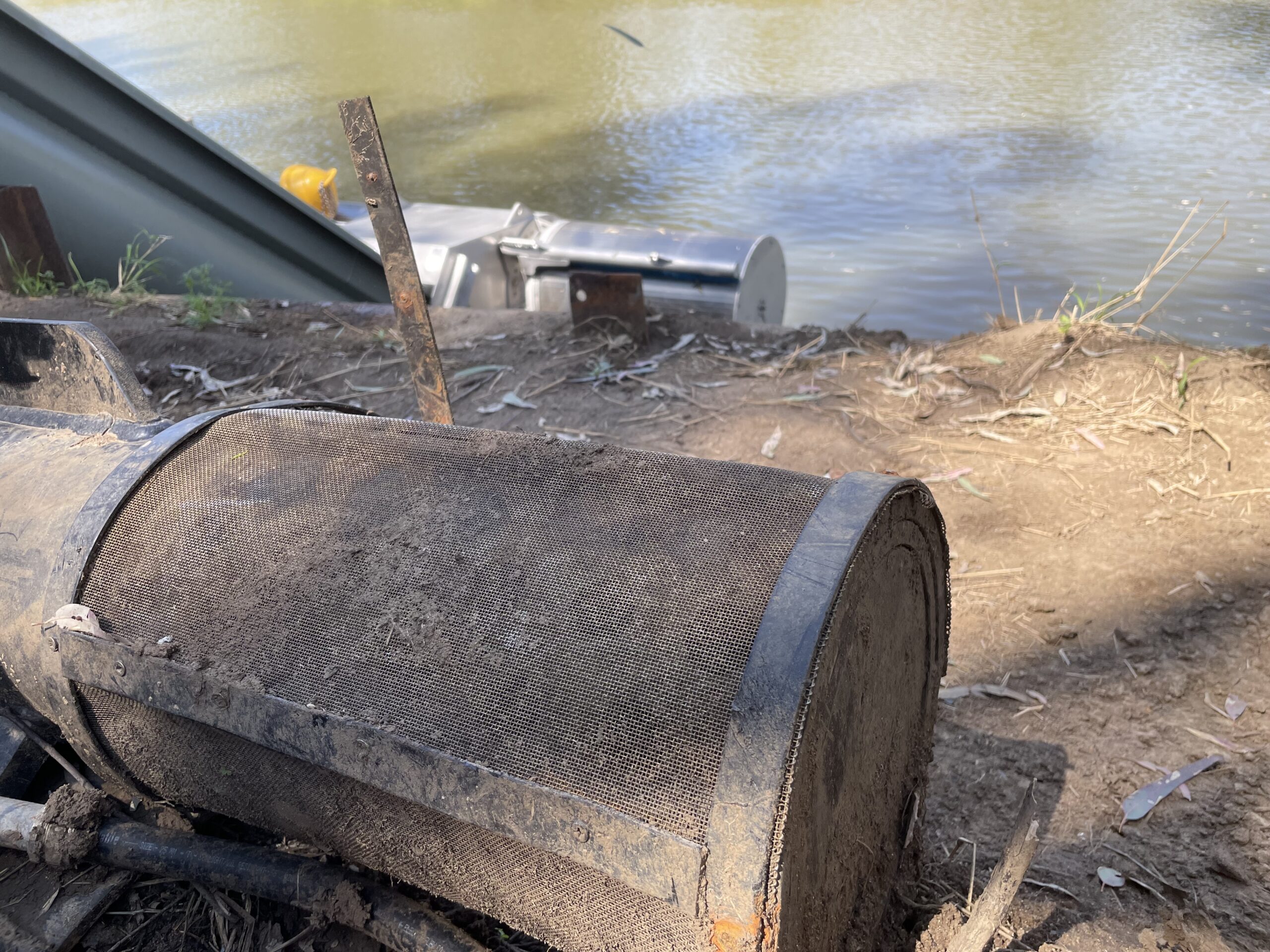
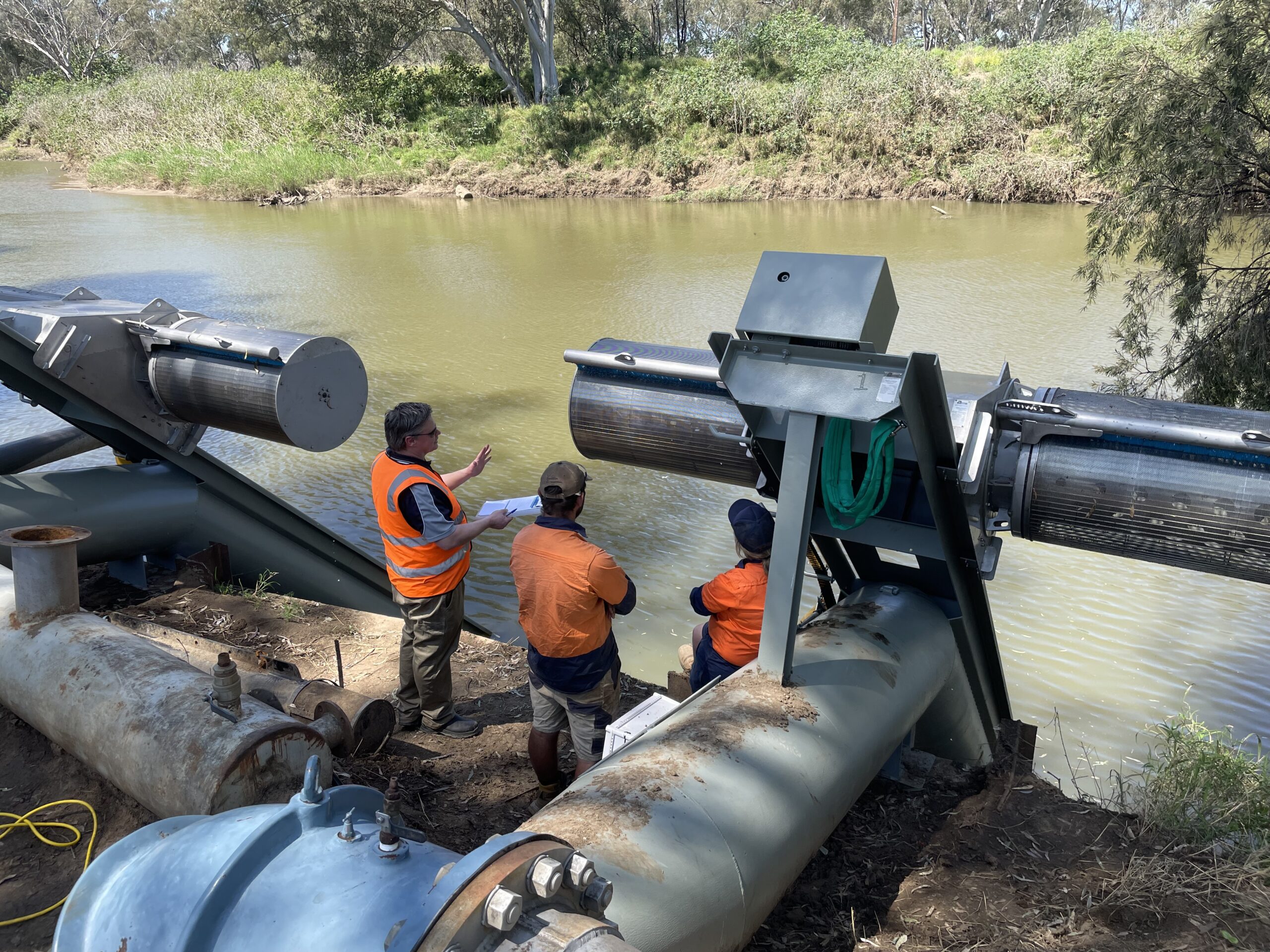
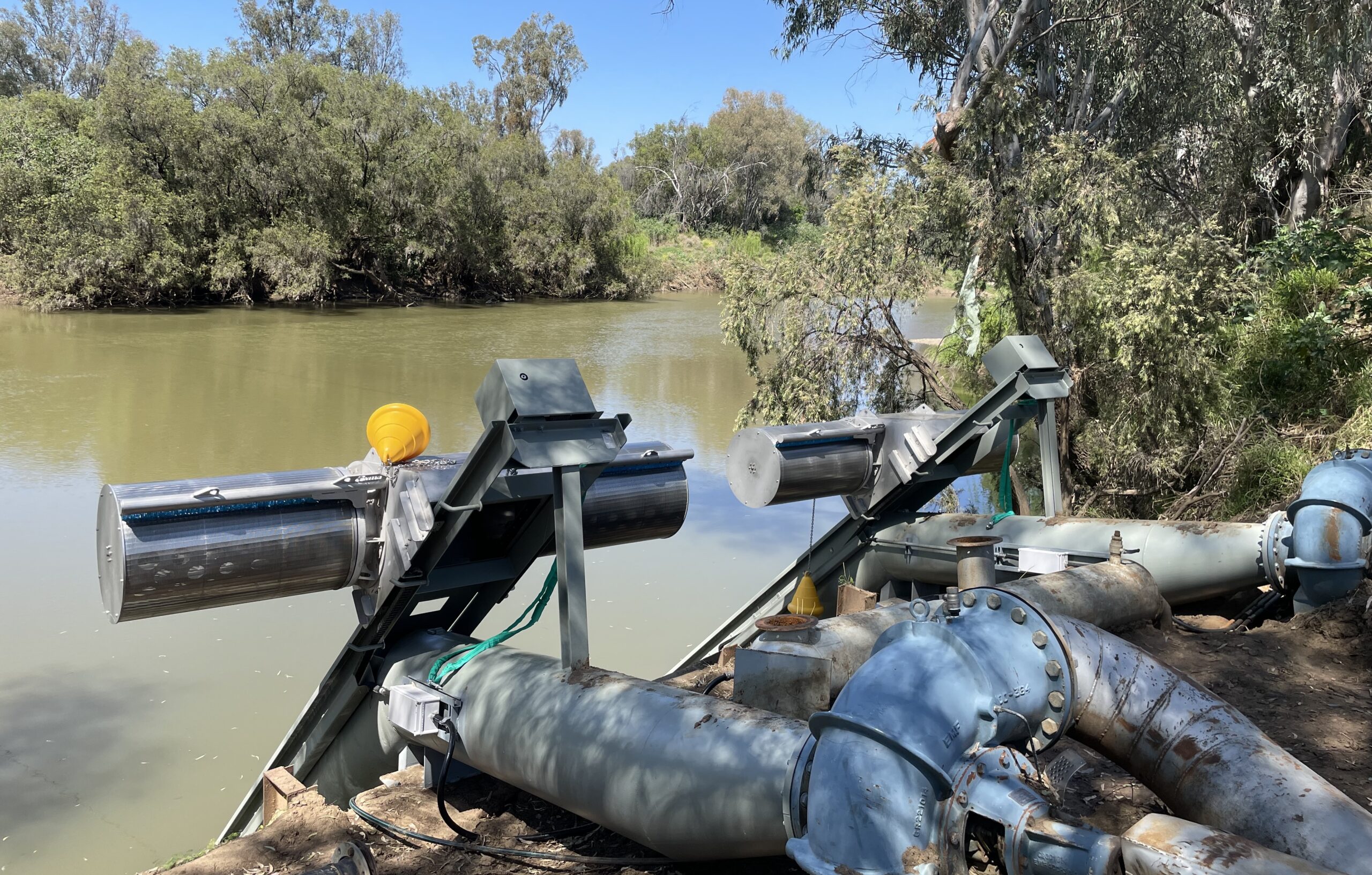
Two flood irrigation pumps at the Trawalla Pecan Nut Farm on the Gwydir River have been fitted with modern fish-protection screens, keeping native fish in the river where they belong while also keeping sticks and other harmful debris out of the pumps.
The self-cleaning screens were manufactured by AWMA Water Control Solutions and are mounted on rails for easy lowering and retrieval for inspection. Together, the screens protect up to 96 ML/d of high-security water when the farm is irrigating.
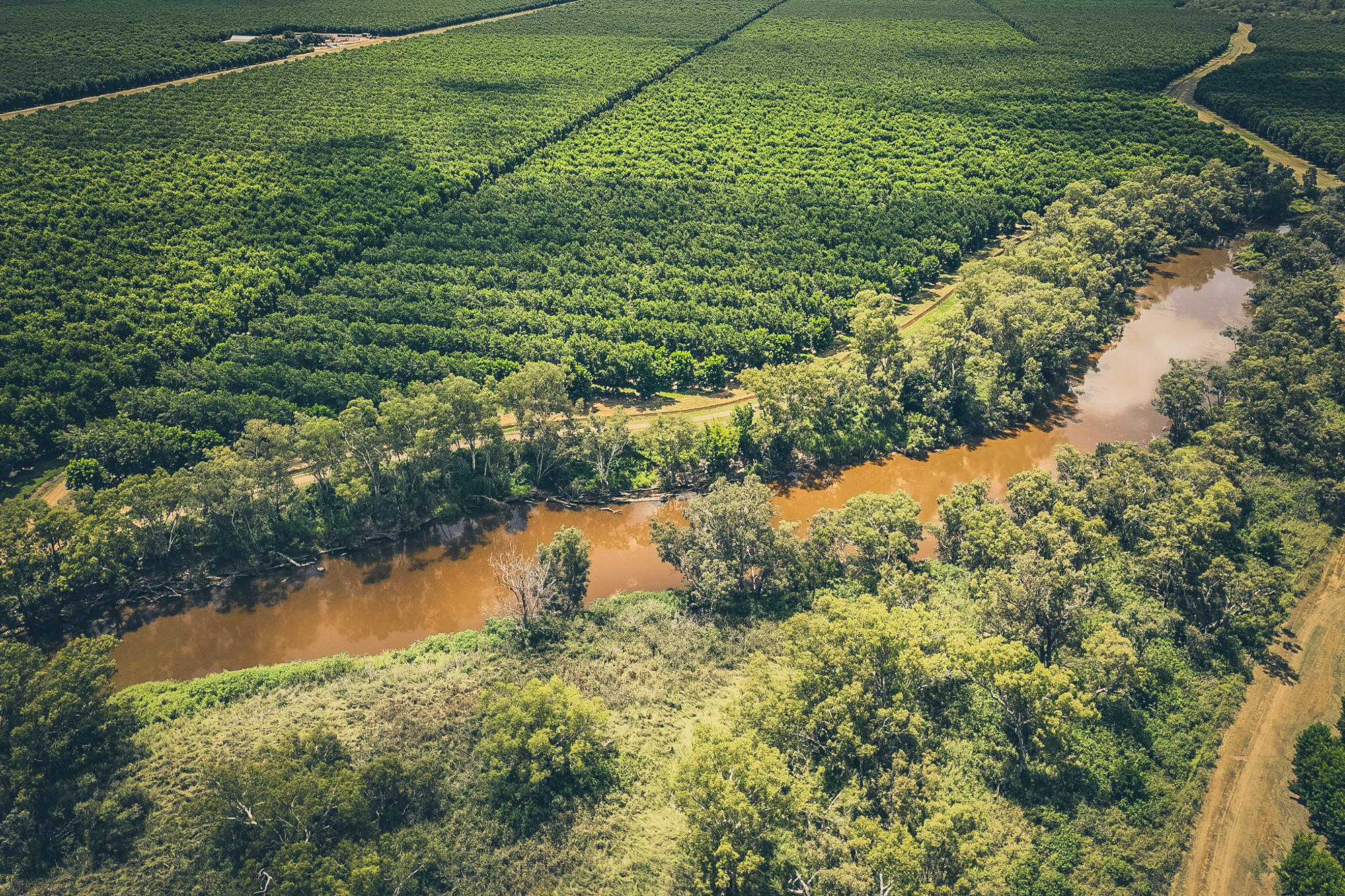
Trawalla was established in the 1960’s as the first large scale pecan orchard outside of North America. It is the largest pecan nut farm in the southern hemisphere and the first to adopt modern fish-screening technology.
Committed to sustainable practices
Trawalla owner Stahmann Webster has a longstanding commitment to sustainable farming practices.
For example, insecticide-free farming methods have been continually developed and employed since the 1990s, including the use of natural insect predators and moulds to regulate the population of harmful pests whilst maintaining beneficial biodiversity in their pecan orchards.
Adopting modern screening technology that protects native fish from the direct impacts of water diversions is the latest step in taking responsibility and reducing environmental impacts.
The Trawalla fish-protection screens were installed as part of the Northern Basin Toolkit screening program.


Copyright 2026 Fish Screens Australia. All Rights Reserved.